Continuous Improvement
The no-asshole rule works when you also pay top of market and qualify competency. Without those, it becomes the tool that removes the person saying the company is not very good at this.
First hand, from inside the incident. All of it happened.

Allan Degnan
Technical Director
10 May 2024 — 6 min

The employer in this one is redacted, as are the names of the people in it. Everything else happened.
Assholes. We all have them. Some of us have many. No, not the exit, sometimes entrance, on the rear of your body. But your team mates. Colleagues. People you interact with in a professional capacity.
In a culture of competency I poke fun at companies cargo culting Netflix’s former “no asshole” culture. The joke is that Netflix did put a stake in the ground — no assholes — but they also paid top of market, tested competency hard, and let go of low performers.
If you’re not Netflix, maybe you need your assholes.
Nuance
Red lines
Alright, let’s get something straight. It’s weird to advocate being unpleasant to people on the regular without justification. Sadly we’ve all met these people. They are well and truly assholes. They need to go.
Men made of straw
Now it’s a shame I even need to write that. But I did, because somebody somewhere is going to read this, straw man my position, play their holier-than-thou card and devalue the conversation.
Let’s call them holier-than-thou asshole and pray they understand the article well enough that I don’t need to deal with their bullshit. These folks play an important part of the point I’m making though. They’re part of the reason we suck, but we won’t talk about them today.
Perspective
What makes a person an asshole. The No Asshole Rule primarily defines assholes as people who punch down and make others feel worse about themselves. However, the book further suggests that 20-50% of nastiness is amongst co-workers of similar rank and thus significantly negates the rank argument.
Thus the perspective issue comes down to how they make you feel. This sounds legitimate. But does anyone feel good when they’re called out for holding the wrong position?
Do you listen and accept the feedback and improve your knowledge and skills, or will you feel despondent, look to attribute blame and label your opponent an asshole?
What if you’re not just wrong? What if you’re not performing? What then?
Extrapolating
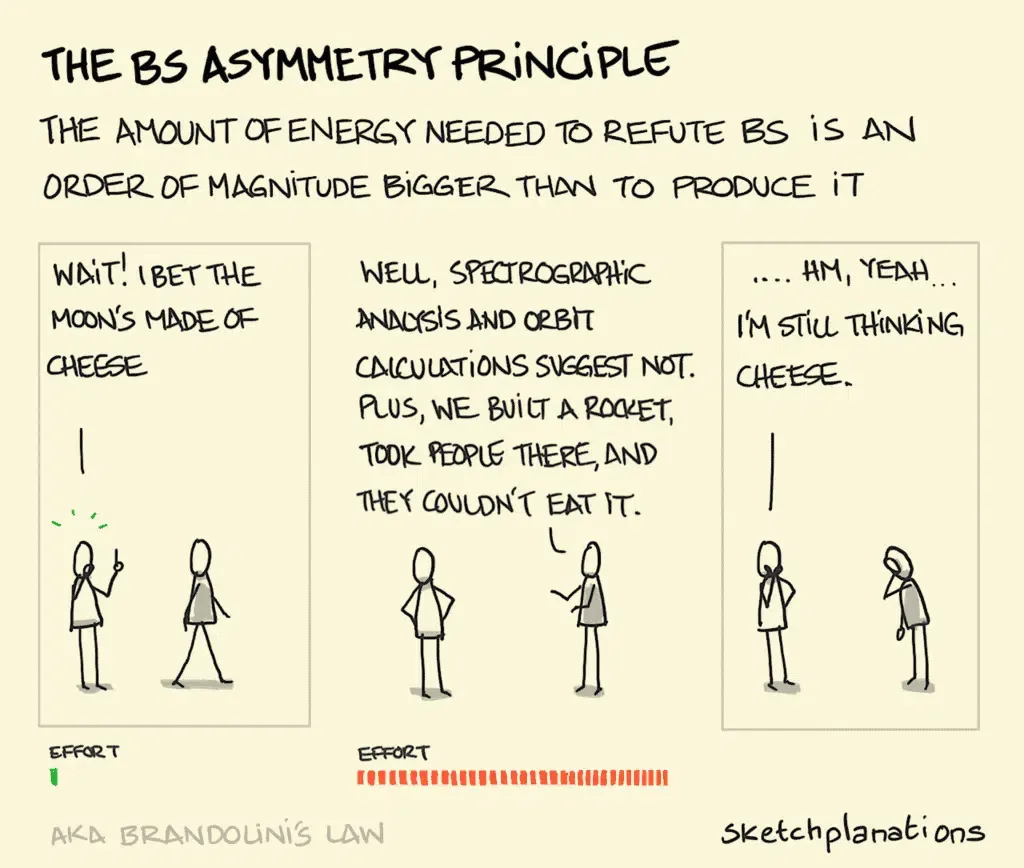
So if you can’t make people feel bad about themselves, by extension you can’t challenge bullshit assertions, and if you do, nobody really cares why you’re doing it, you get the asshole label.
What’s the outcome?
Mediocrity
When everything’s fucked
Back in late 2020 I joined . Now this was an absolute rocket ship that interestingly escapes media attention on account of being bootstrapped and just doing its thing. We’re talking about an entity without VCs or institutional investors making a mockery of the term hypergrowth whilst still in the mid 10s of millions ARR.
And they were a disaster.
- Daily outages with an availability of 60-80%.
- 70% churn within the engineering department the year I joined (100% in Product, north of 100% in customer service).
- Customer churn (or new customers simply never trading) hollowing out that stellar growth. I was not actually joking when I said the customers were chewing me out on the regular.
They were shit. And the funny thing was? They had some cracking engineers.
The asshole you need
Out of about 6 development teams I found:
- Was working on a solution that was architecturally unsound and had been for the prior 3 years.
- Was working on a holy grail rewrite that had no basis in the reality of solving the problem.
- Was completely blocked by team 2, and thus was effectively delivering nothing.
- Was working on system availability and were taking such remediations as deleting all webhooks.
- Was working on partner integrations which didn’t work partly because team 4 kept deleting all webhooks.
- Was working on the strategic delivery of the company and they were 3 months away. They were also 3 months away 3 months ago. And 3 months away the 3 months prior to that.
Within the first 90 days I’d had:
- Been told I wasn’t a real CTO on account of not having a direct report to the CEO (I’d had that pretty quickly after; in retrospect I’d rather have had the time back).
- Had a litany of resignations, including the head of development and the most respected individual contributor within the development team, whom I’d had at least 4 different senior leaders tell me I mustn’t lose.
- Delivered on the strategic direction of the company. Wait, what? Yes, I said delivered on the strategic direction of the company. Of course, credit where it’s due, Priya Raman and Tom Reilly did the real work, but I sent some really good emails.

But not the one you deserve
But not the one you deserve
How the fuck did I do that then?
Competency
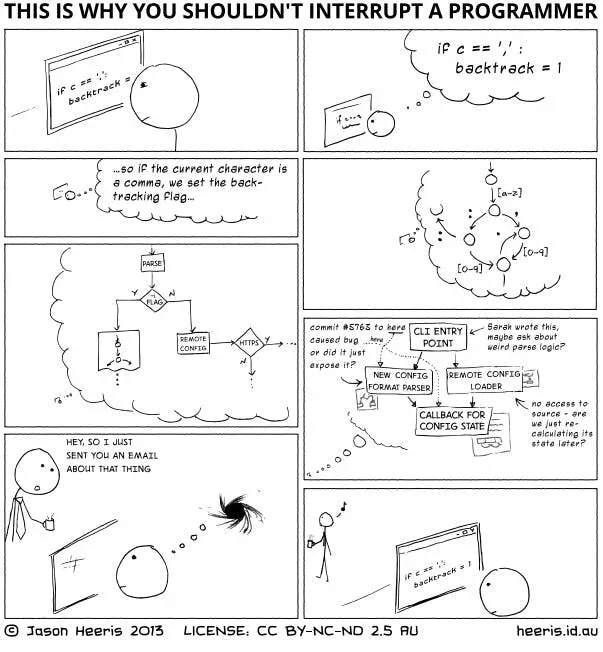
- I called bullshit and killed the projects that were never going to deliver. To those people, I was an asshole, and I used my technical knowledge to do it. But I demanded competency, because competency is the first stage of continuous improvement.
- I led by example. In the war room I was there googling problems and offering suggestions. You know, like a person who isn’t a real CTO because they’re hands-on trying to save their flailing unicorn. To the people who thought I should spend my days schmoozing, I was an asshole. But instead I used my experience, because experience is what you need to deliver on continuous improvement.
- I defended my team like a mother hen. You fuck with my team, I fuck with you. You’re not getting in the way of our mission. To them, I was an asshole. But I did this because having space to think is how you gain experience of good decisions rather than just shitty ones, which is key for continuous improvement.
Please fuck off.
Basically, I was asshole prime.
The hero you deserve
As quick as I came, I was done.
- Availability was pretty much 99% or more across the board. Basically, things started working, and I got chewed out a whole bunch less. The remaining broken things were acceptably broken.
- Team churn under 5%. Actual team structure. Mentors. Progression plans. Basically, people overall seemed to like working there, and as I left, the team stayed in place. A testament to the culture we built.
- Customer churn was back to historical norms (borderline non-existent). Despite massive growth, both in customer numbers and in volume of transactions processed. Because of the increase of customers but also the extra products they were now creating transactions in.
- had transitioned from a legacy POS provider to a darling fintech. Still pretty shit at writing about themselves though. Hey guys, this is my CV, wtf you doing?
And then it was boring.
I left the team in the capable hands of Nathan Fell. The thing about Nate is, he’s better than me. He’s a better dev. He’s a nicer person. Fuck my life, he’s sexier than me. He’s obviously the better CTO.
But he’s not an asshole. And he doesn’t have to be. Because I was.
1,255 words — 10 May 2024